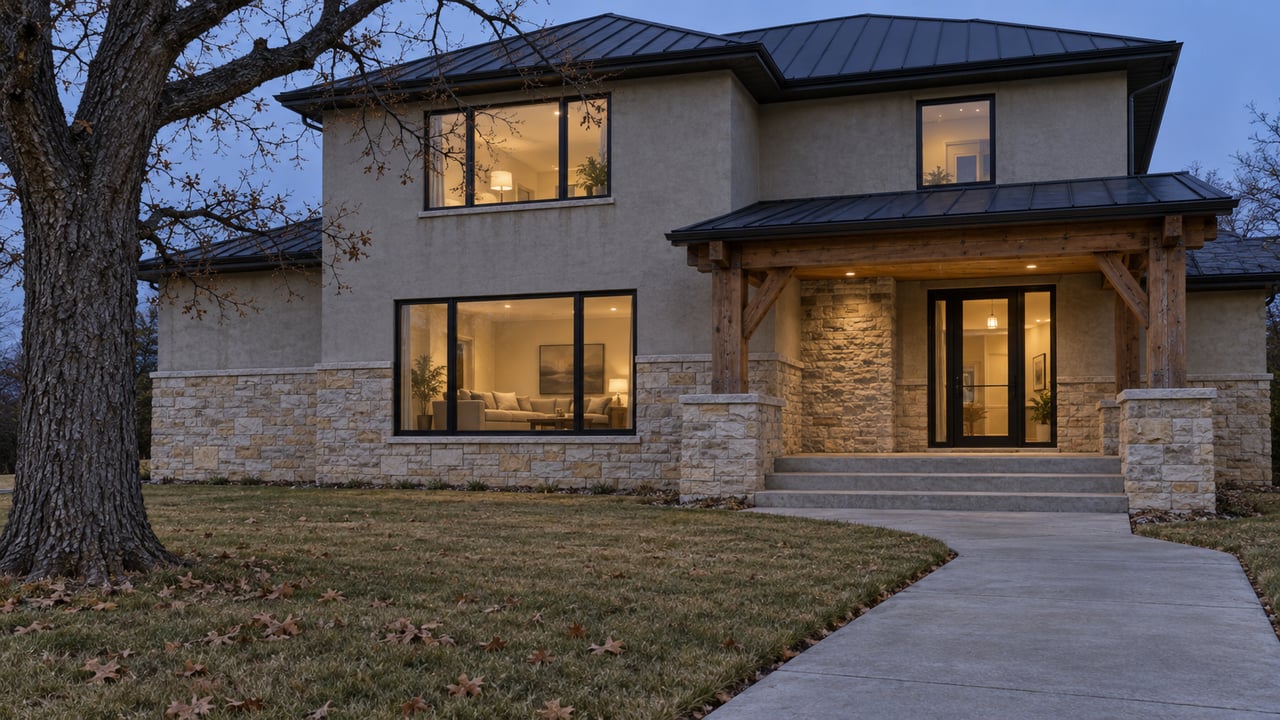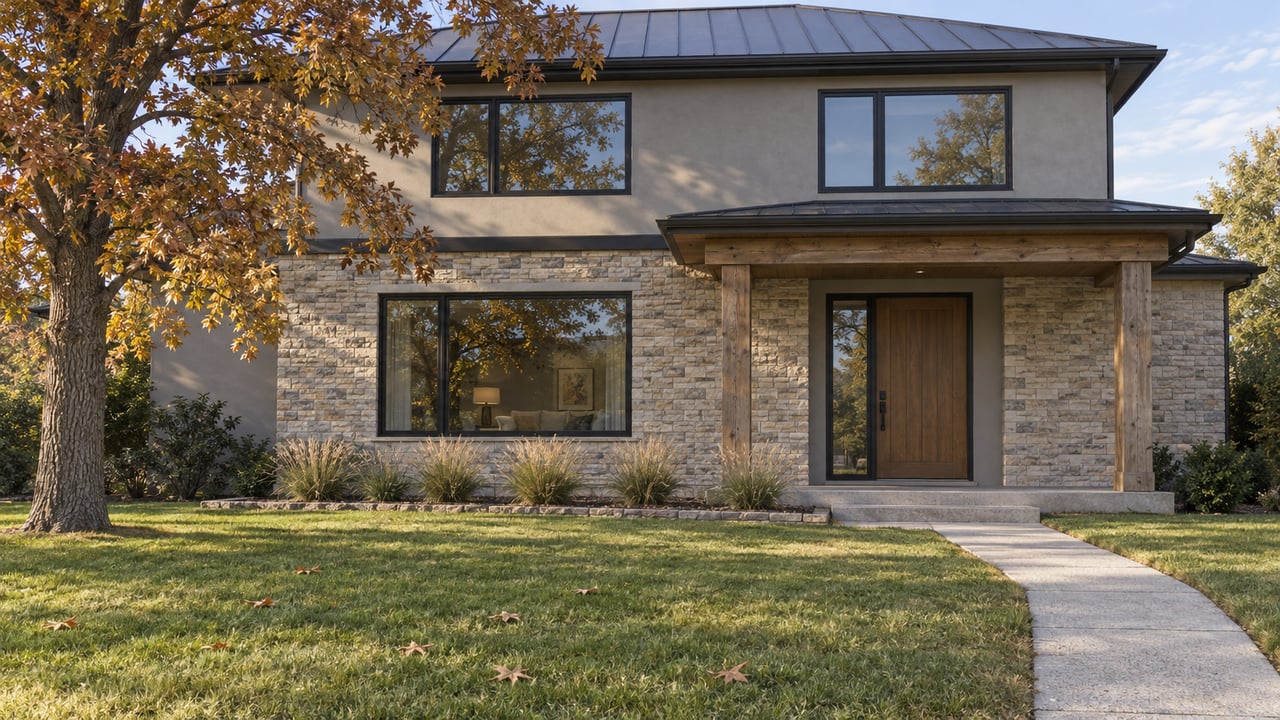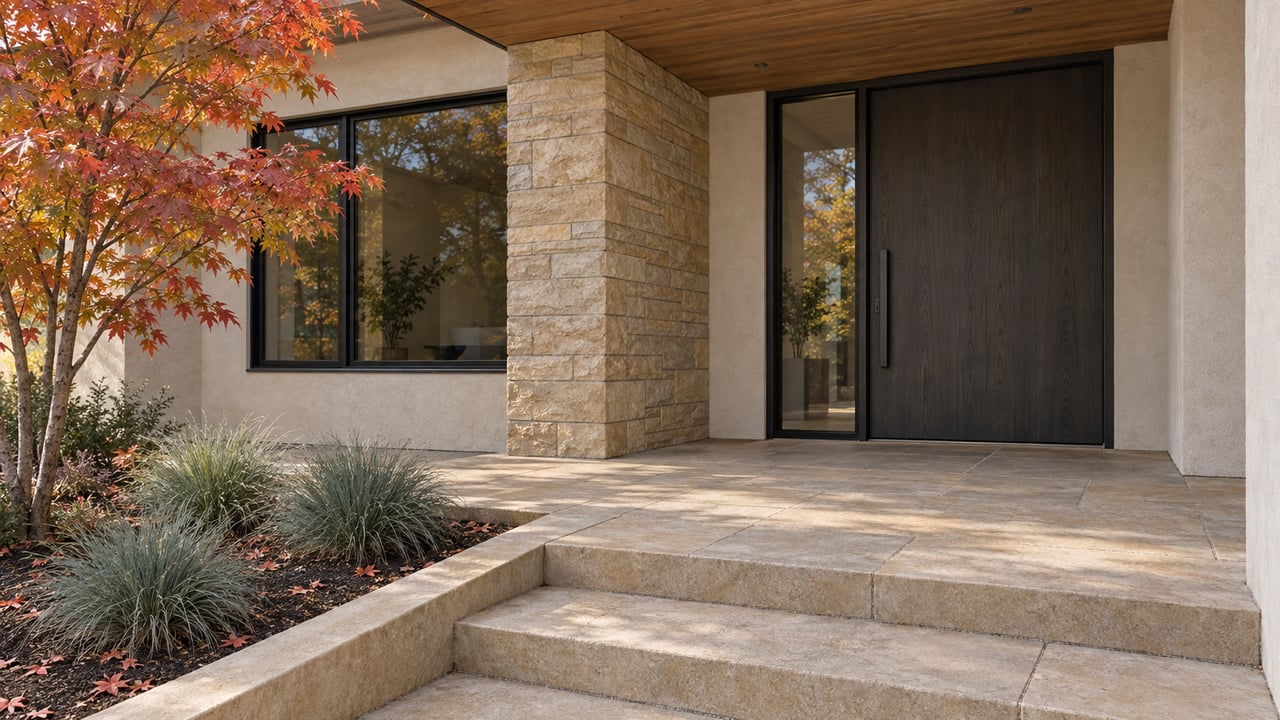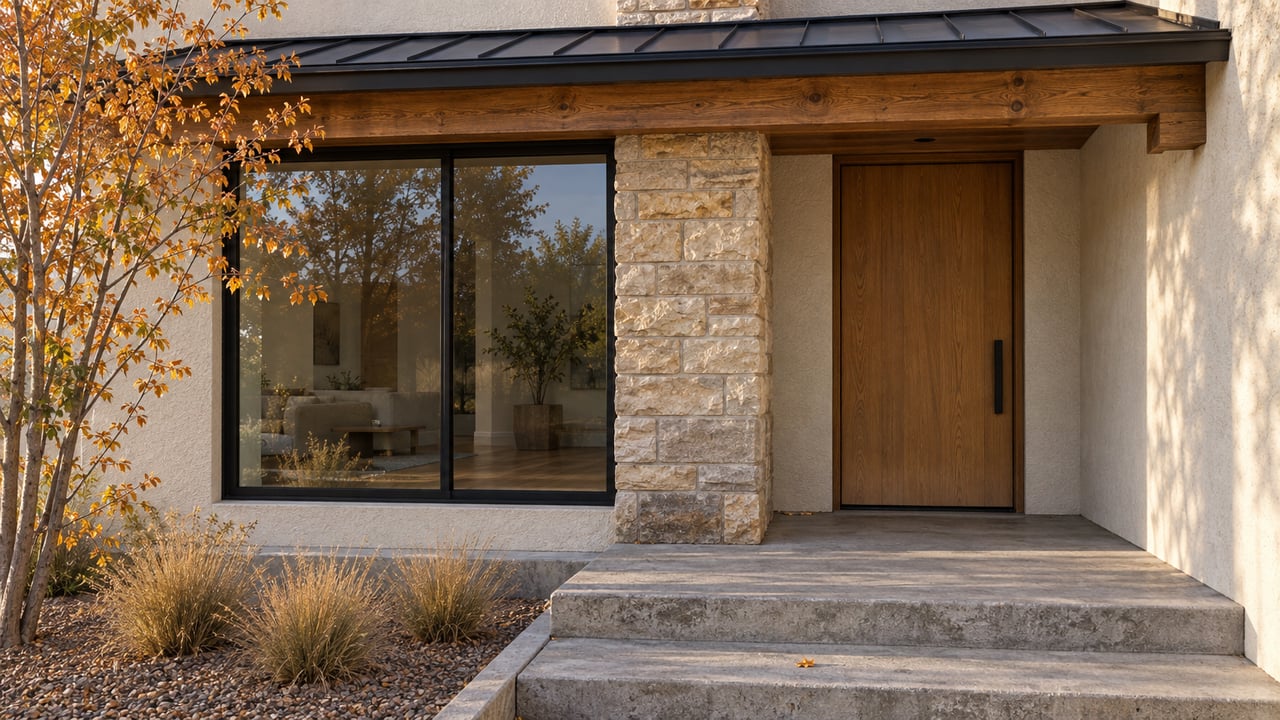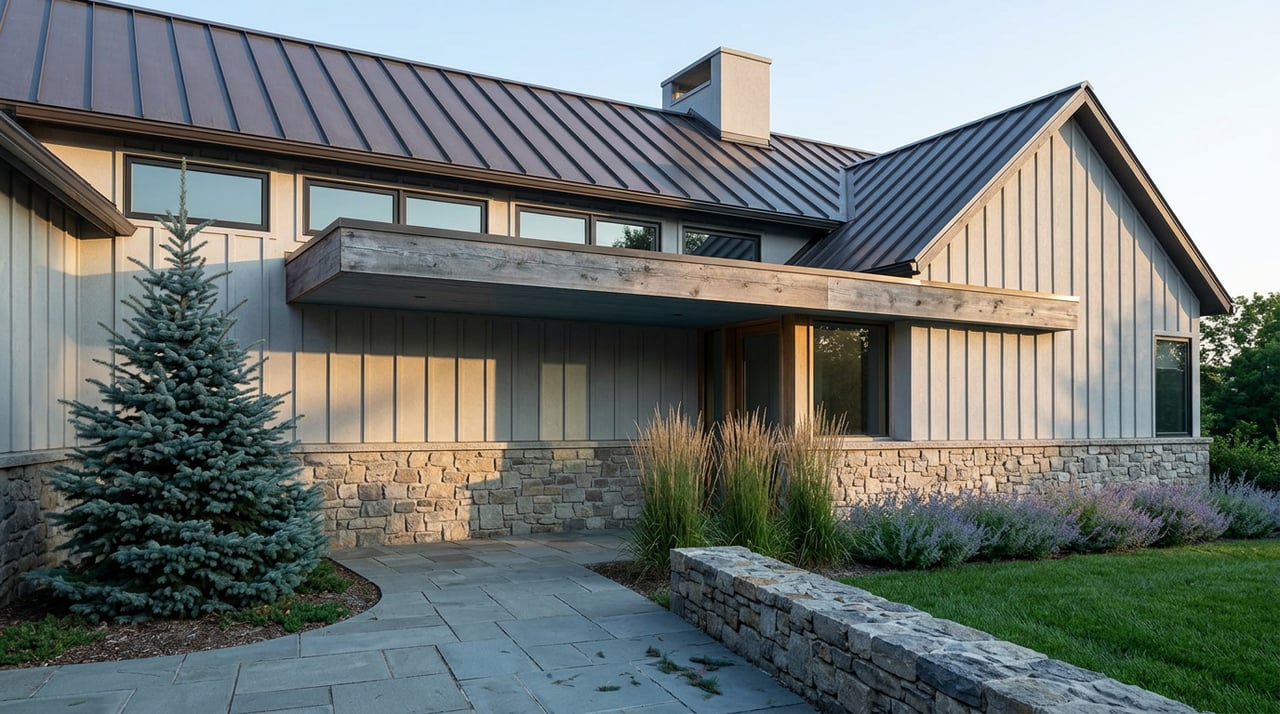
A bungalow near the brick storefronts of Olde Town and a new-construction home in Candelas can list in the same week, in the same city, and sell on entirely different clocks. The Olde Town house, older and smaller, tends to get a fresh coat of paint and disappear from the market in about a month. The Candelas home, newer and better amenitized, with mountain views and a resort-style pool, often sits twice as long even though it should have every reason to move faster.
That gap isn't a coincidence between two houses. It shows up consistently across Arvada's trailing market data, and it points to something buyers comparing Denver suburbs rarely think to ask: not whether a neighborhood is desirable, but whether its price point crosses a line that changes how the loan gets underwritten.
The Headline Number Everyone Already Has
Anyone shopping Arvada online has already seen the citywide numbers. Redfin's three-month trailing data through June 2026 put the median sale price at $635,000, down 3.1 percent from the same period a year earlier, with homes selling in about 16 days. Zillow's home value index, updated through the end of July 2026, showed an average value of $605,230, down 2.3 percent over the year.
Both readings describe the same city moving in the same direction: prices softening slightly, pace still brisk by national standards. What neither number tells you is that Arvada isn't one market. It's several, stitched together by city limits, and two of its most visible pockets are behaving in nearly opposite ways.
Two Clocks, Same City
Set Candelas next to Olde Town Arvada and the citywide story starts to fracture.
| Candelas | Olde Town Arvada | |
|---|---|---|
| Typical price range | $650,000 to $2.15 million | $400,000 to $750,000 |
| Trailing median sale price | Roughly $800,000, down about 4% year over year | $637,000 as of September 2026 |
| Average time on market | About 73 days | About 38 days |
| Price direction | Softening | Trending up, average sale price up about 6% year over year |
Candelas is not a struggling neighborhood by any reasonable measure. It's the largest master-planned community in Arvada, built around six named villages, TownView, SkyView, ValleyView, CanyonView, MountainView, and ParkView, with resort-style pools, more than 13 miles of trails, and direct access to open space bordering the Rocky Flats National Wildlife Refuge. Olde Town, meanwhile, is smaller, older, and denser, its inventory a mix of early-1900s bungalows and newer townhomes within walking distance of the district's restaurants and the G Line light rail platform that reaches Denver Union Station in about 25 minutes.
By reputation, Candelas should be the faster mover. It's newer, more amenitized, and closer to the mountains. Instead, its homes are sitting nearly twice as long as Olde Town's, and its median price has been drifting down while Olde Town's has been drifting up.
One local market read published last spring described both pockets the same way: consistent demand, short days on market, sellers holding the leverage. That description still fits Olde Town's numbers closely. It fits Candelas less well once you look at the trailing twelve months rather than a single week's snapshot.
The Line at $833,750
The gap has less to do with what buyers want and more to do with what they can borrow.
Jefferson County's conforming loan limit for 2026 sits at $833,750. Below that number, a buyer can typically get a conventional loan with more competitive rates, smaller down payment options, and a more standardized underwriting process. Above it, the loan becomes a jumbo, which usually means a larger down payment, tighter debt-to-income requirements, and more documentation before a lender signs off.
Candelas' median list price has been running close to $825,000 to $850,000 in 2026, with plenty of inventory priced well past $1 million. That places a meaningful share of the neighborhood's homes right at, or just over, the conforming line. A buyer shopping at $780,000 and a buyer shopping at $890,000 are not competing in the same lending environment, even though both houses look similar on a listing photo. The second buyer needs a bigger check upfront and a lender comfortable with jumbo paper, and there are simply fewer of those buyers in any given month than there are conventional-loan buyers shopping under the line.
Olde Town's price range rarely brushes up against that threshold. Its $400,000 to $750,000 homes stay almost entirely inside conventional lending, which keeps the buyer pool wider and the pace faster. The neighborhood isn't winning on charm alone. It's winning because nearly every buyer who wants in can finance the way they'd finance any other home in that range.
What Amenities Don't Fix
None of this means Candelas has a demand problem in the everyday sense. Its pools, trails, and newer construction remain a real draw, particularly for buyers who want single-story living, larger lots, or a shorter drive to Boulder and Golden. The neighborhood's builders continue to release new phases, and homes still change hands every week.
What the financing math does is slow the funnel at exactly the price points where Candelas has the most inventory. A jumbo buyer takes longer to get pre-approved, often wants an appraisal contingency handled carefully, and may need more time to gather documentation than a conventional buyer does. Multiply that across dozens of active listings clustered near or above $833,750, and the average days on market climbs even though any single home might still sell for a fair price.
What This Means If You're Comparing Neighborhoods, Not Just Prices
If you're weighing Candelas against Olde Town, or against another Arvada pocket entirely, a few things are worth doing before you fall in love with a listing photo.
- Ask where the home's price sits relative to $833,750. A home priced just under the line will draw a different buyer pool than one priced just over it, and that affects both your negotiating room as a buyer and your pricing strategy as a seller.
- If you're financing above the conforming limit, get a jumbo pre-approval early. Some lenders require more reserves or a lower debt-to-income ratio for jumbo loans, and finding that out after you've written an offer costs you time you don't have in a competitive listing.
- If you're selling in Candelas above the line, expect a longer runway than a comparable home in Olde Town or another sub-$700,000 pocket of the city, and price and market accordingly rather than benchmarking against the citywide 16-day average.
- Don't read a longer days-on-market figure as a sign the neighborhood is falling out of favor. In Candelas' case, it's largely a function of financing friction at the top of its price range, not a lack of interest in the community itself.
- If your budget puts you right at the conforming line, it's worth shopping both sides of it. A slightly smaller or older home well under $833,750 may move you through underwriting faster than a larger new-construction home just above it.
A Few Questions Worth Asking
Does a longer average time on market always mean a home is overpriced? Not necessarily. In Candelas' case, the extended timeline is showing up across a wide swath of listings clustered near or above the conforming loan limit, which points to a financing bottleneck as much as a pricing one. That said, individual homes can still sit because of price, condition, or competition, so the neighborhood-level pattern is a starting point for a conversation, not a substitute for a home-specific comparison.
Is jumbo financing always more expensive than a conventional loan? Rates and terms vary by lender and by the borrower's full financial picture, so it isn't something to assume either way. What's consistent is that jumbo loans typically involve larger down payments and more documentation, which changes the buyer pool and the pace of a sale more than it changes any single interest rate.
Does this pattern apply if I'm paying cash? Financing friction matters less if a buyer isn't borrowing at all, which is part of why some higher-priced Candelas listings still move quickly when a cash buyer steps in. For most buyers financing a purchase, though, the conforming loan line remains a real factor in how fast a home in that range finds its buyer.
Arvada's citywide numbers are a reasonable starting point, but they average away exactly the kind of detail that determines how your own search or sale will actually go. If you're weighing Candelas, Olde Town, or another corner of Arvada and want a read on how a specific price point and financing plan will play out, John Chrisbens is a good place to start that conversation.
This article is general information, not legal, tax or financial advice. Consult a qualified professional about your situation.