Most sellers plan a Highlands Ranch listing the way they'd plan one anywhere: price it, stage it, list it, wait for an offer. That plan works fine for finding a buyer. It ignores the two points in the transaction where the actual delay lives, and neither one has anything to do with how fast the home sells.
The first sits before the home ever goes live, when a routine paint refresh or a fence repair runs into the Highlands Ranch Community Association's review process. The second sits after closing, when paperwork the seller assumed was finished keeps moving for weeks. Both are calendar problems, not market problems, and both are specific to how this community is governed rather than to anything happening in Douglas County real estate generally.
If you're getting ready to sell here, the useful question isn't "how's the market." It's "whose calendar am I actually on."
The Approval You Didn't Think You'd Need
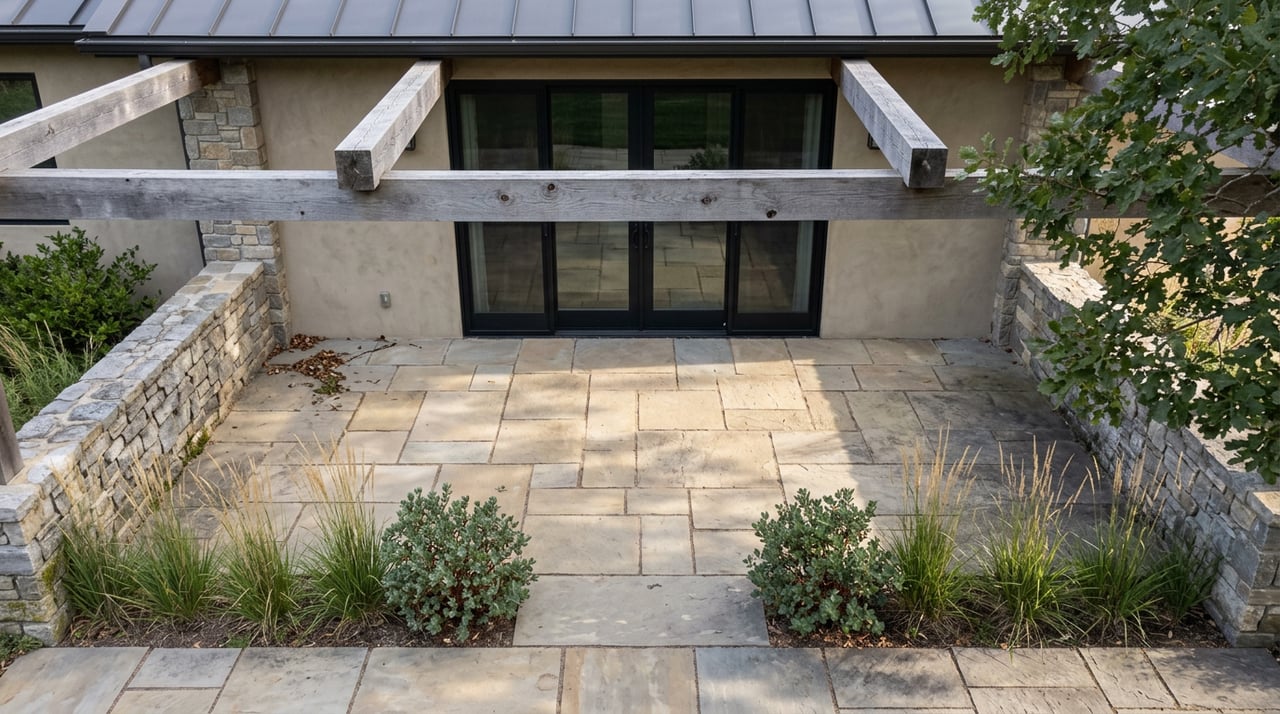
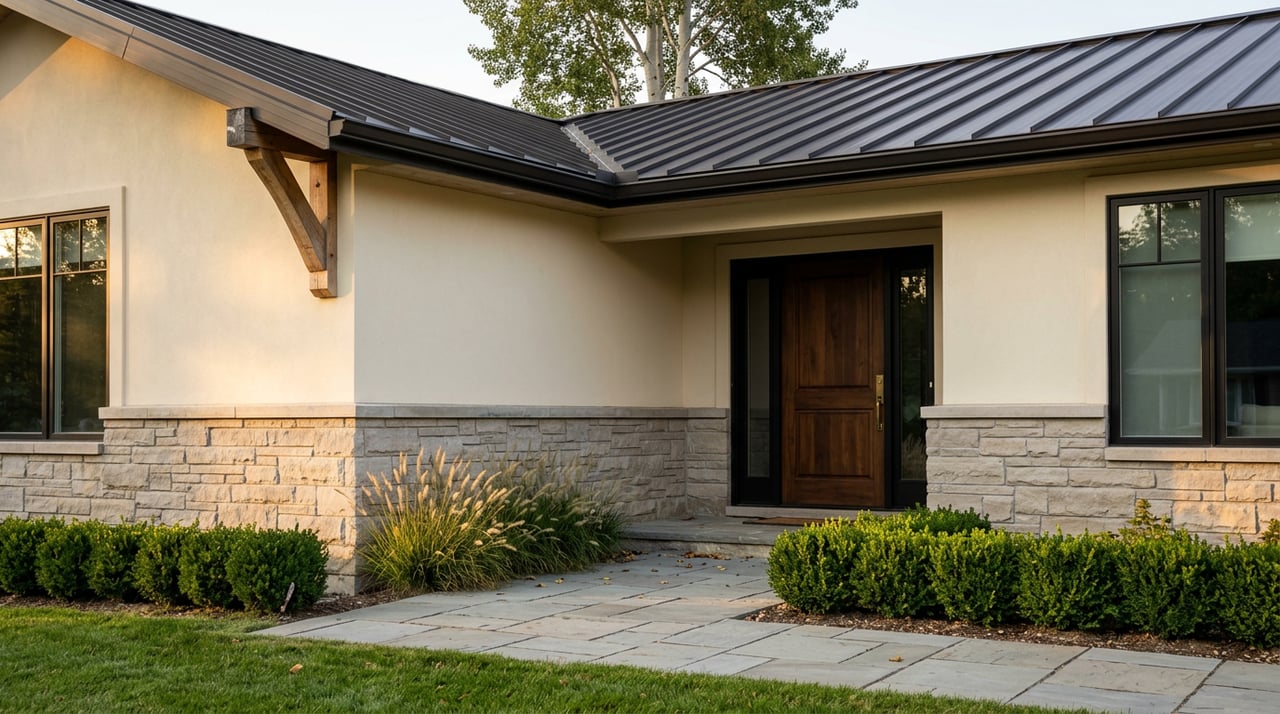
Sellers routinely plan a quick exterior refresh before listing: touch up trim, repaint a faded front door, restain a fence. In most HOAs that counts as maintenance, not a project. In Highlands Ranch, it's a submittal.
HRCA's Residential Improvement Guidelines, adopted in October 2024, require homeowners to submit color information for any repaint, including a repaint using the exact same colors already on the house. The logic is recordkeeping, not aesthetics: HRCA wants an accurate color file on every property, so a same-color job still needs a form. The Architectural Review Committee has up to 30 days to act on a residential submittal, and larger projects can land on a committee calendar that meets on a fixed schedule rather than on demand.
Wood fences carry their own wrinkle. HRCA has standardized on a single approved stain, commonly referenced as Highlands Ranch Fence Brown, for residentially owned fencing. Fences the Metro District owns and maintains along the parkways are a separate category entirely: if that district fence has already been replaced with newer composite fencing, homeowners aren't permitted to stain it at all.
None of this is expensive. It's slow, and it's slow in a way that doesn't compress just because your closing date is approaching. A seller who assumes a Saturday with a paint sprayer solves the curb appeal problem is the same seller who's still waiting on a committee decision three weeks before the listing photos are due.
Where the Property Actually Ends
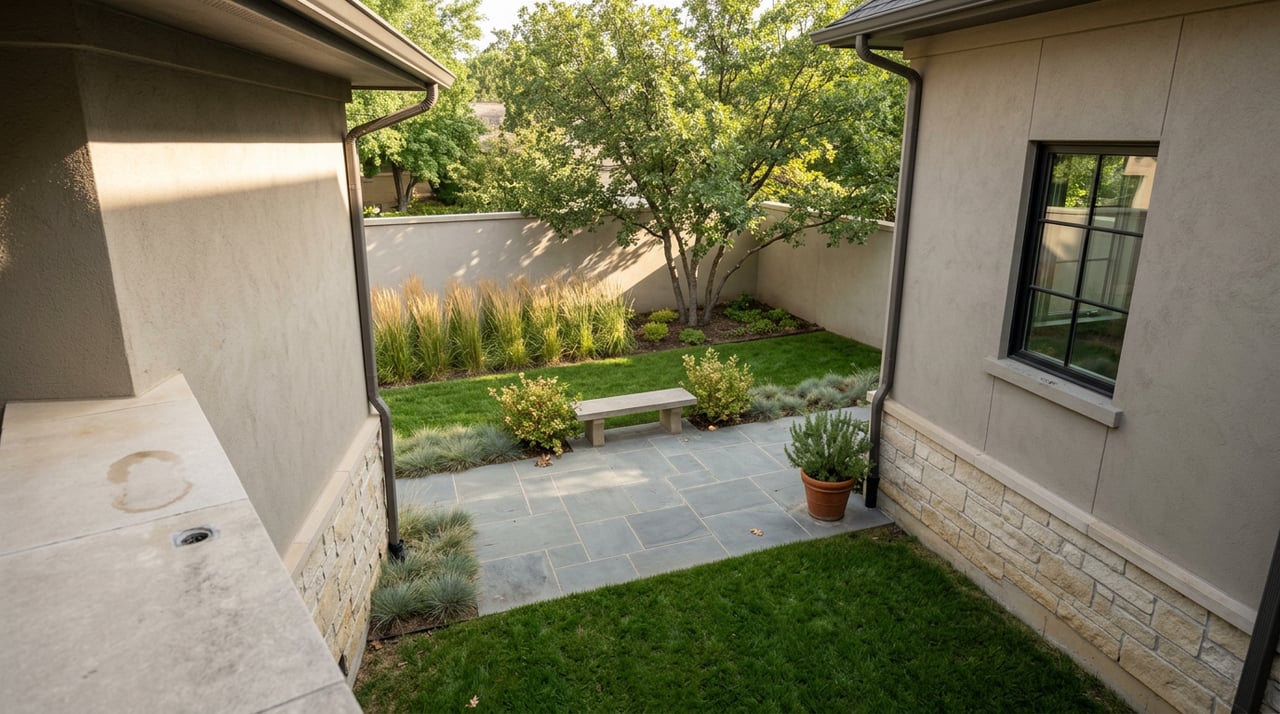
More than 4,700 homes in Highlands Ranch back to Metro District open space, which sounds like a lifestyle amenity right up until a title review or a buyer's final walkthrough turns it into a boundary question.
The Metro District's land use rules are specific about what can't happen past a homeowner's fence line on district property: no structures, no retaining walls, no irrigation or planted landscaping, no equipment storage or staging. The district also enforces a narrow buffer requirement between residential landscaping and any Metro District-owned fence, intended to keep shrubs, rocks, and root systems from damaging fencing the district itself maintains.
For a seller whose yard has crept outward over a decade, a storage box, a raised bed, or a play structure that quietly extended past the fence line is worth finding before a buyer's inspector does. It's a five-minute walk of the property line, and it's the kind of thing that's far easier to correct while a home is still yours than to negotiate about once it's under contract.
The Fee Stack Nobody Bundles Into One Number
HRCA's 2026 quarterly assessment is $174, billed each January, April, July, and October. That's the ongoing cost most owners already know. What catches sellers is everything that shows up specifically at the point of sale:
| Item | Amount | When it applies |
|---|---|---|
| Quarterly HRCA assessment | $174 | Billed Jan, Apr, Jul, Oct |
| Status letter fee | $150 | Requested for closing |
| Transfer fee | $175 | Charged at sale |
| Estoppel certificate fee | $250 | Charged at sale |
None of these are unusual for a Colorado HOA closing. What's worth flagging is that a property can carry a second layer entirely. Many Highlands Ranch neighborhoods sit inside both HRCA and a separate sub-association, and that sub-association can have its own dues, its own transfer paperwork, and its own fee schedule stacked on top of HRCA's. A seller who only budgets for the HRCA side of the ledger can be surprised by a second document request from a neighborhood association they'd mostly forgotten was billing them separately.
The Paperwork That Keeps Moving After You've Already Moved
The part of this process sellers are least prepared for happens after closing, when they assume the transaction is finished.
HRCA has said new and resale paperwork is typically processed six to eight weeks after closing, and that any refund owed to the seller can take roughly two months to arrive. If a sale closes mid-quarter, the seller has often prepaid a portion of the quarterly assessment that the buyer is now technically covering, which means there's a prorated refund due back to the seller. That refund doesn't come through the title company at closing. It comes from HRCA, on HRCA's own processing timeline, separate from anything the closing statement shows.
I tell sellers this upfront specifically because the alternative is a phone call six weeks after closing asking why a refund check hasn't shown up. Nothing is wrong. It's simply running on the association's calendar, not the transaction's.
What Changed in October 2025
Colorado's HB25-1043 took effect on October 1, 2025, and it changes how an HOA has to handle a delinquent account before it can pursue collection or foreclosure. Associations must now strictly comply with lien and foreclosure notice requirements, not just substantially comply, and a homeowner facing foreclosure over unpaid assessments can petition a court for up to nine months to sell the home at fair market value and preserve their equity.
For most sellers this changes nothing, because most sellers aren't delinquent. But if there's ever been a dispute over an assessment, a missed quarterly payment, or an unresolved fine on the account, that history is exactly what a title company and an HRCA status letter will surface during closing prep. Under the new law, resolving that kind of issue involves more procedural steps than it did a year ago, which means it takes longer to clear. The Colorado Division of Real Estate's summary of the law is a useful plain-language reference if you want to see exactly what changed.
The practical takeaway is the same one that runs through every section here: confirm your HRCA account is current and clean well before you're under contract, not after.
Building a Timeline That Accounts for HRCA's Calendar
None of this argues against selling in Highlands Ranch. It argues for sequencing the pre-listing work differently than you would in a community without a governing association this involved.
- If you're planning any exterior work, paint included, submit it to HRCA before you schedule the contractor, not after.
- Walk your fence line if your lot backs to open space, and remove anything sitting past the property boundary.
- Request your HRCA status letter and confirm the account is current well before you set a listing date.
- Ask your agent whether the property carries a sub-association layer in addition to HRCA, and get that fee schedule in writing early.
- Expect the transfer paperwork and any refund to keep moving for six to eight weeks after closing, and plan your own finances accordingly.
A Short FAQ
Does every home in Highlands Ranch belong to HRCA? Most do, but not all. Some properties fall only under a neighborhood HOA or the Metro District rather than HRCA membership, so it's worth confirming which governing documents actually apply to your specific address before you assume the rules above apply in full.
What happens if I already repainted without submitting colors? HRCA's guidelines note that improvements made without approval can result in a violation notice and, in some cases, a requirement to redo the work to an approved standard. It's a fixable situation, but it's one more reason to submit before you paint rather than after.
Does the open space encroachment issue apply if my lot doesn't back to a park or trail? No. It's specific to the roughly 4,700 homes that share a fence line with Metro District land. If your lot doesn't back to open space, this particular section doesn't apply to your sale.
If you're weighing a listing timeline in Highlands Ranch, or trying to figure out which of these steps actually apply to your specific address and sub-association, I'm happy to walk through it with you. John Chrisbens has spent years sequencing Highlands Ranch listings around exactly this kind of calendar. Let's Connect.